
DIETS
The DASH diet
The diet designed to lower blood pressure: fruit, vegetables, low-fat dairy and less salt
- Eat plenty of
- Vegetables, fruit, whole grains, low-fat dairy
- Eat often
- Beans, nuts, seeds, fish, poultry
- Eat less
- Salt, red meat, sweets, sugary drinks, full-fat dairy
- Salt
- Under 2,300 mg of sodium a day, ideally 1,500 mg
What it is
DASH was designed by researchers in the United States in the 1990s to test whether a whole eating pattern, rather than a single nutrient or pill, could lower blood pressure. It’s rich in potassium, calcium, magnesium and fiber, which help regulate blood pressure, and low in sodium. It looks a lot like the Mediterranean diet, with more dairy and a firm limit on salt.
Daily servings
| Food group | Servings | Examples |
|---|---|---|
| Grains, mostly whole | 6 to 8 a day | Whole-grain bread, oats, brown rice |
| Vegetables | 4 to 5 a day | Leafy greens, carrots, tomatoes, broccoli |
| Fruit | 4 to 5 a day | Bananas, oranges, berries, dried apricots |
| Low-fat dairy | 2 to 3 a day | Milk, yogurt, cheese |
| Lean meat, poultry, fish | 6 or fewer a day (1 oz each) | Chicken, fish, eggs |
| Nuts, seeds, legumes | 4 to 5 a week | Almonds, lentils, kidney beans |
| Fats and oils | 2 to 3 a day | Olive oil, soft margarine |
| Sweets | 5 or fewer a week | Jam, sorbet, sugar |
A sample day
DASH, one day
- BreakfastOatmeal with milk, a banana and a few walnuts
- LunchWhole-grain wrap with chicken, salad and a yogurt dressing
- SnackCarrot sticks, hummus and a glass of milk
- DinnerBean and vegetable chili with brown rice, no added salt
What the research found
Key study
Lower blood pressure in 8 weeks
- Randomized feeding trial
- 459 adults
- 8 weeks
Participants ate food prepared for them, and their weight was kept stable on purpose. Compared with a typical American diet, the DASH diet lowered blood pressure by 5.5/3.0 mmHg on average, and by 11.4/5.5 mmHg in people who had high blood pressure.
Key study
Less salt, lower still
- Randomized feeding trial
- 412 adults
- 30 days per salt level
Participants ate either a typical diet or DASH at three levels of salt. Eating less salt lowered blood pressure on both diets, and the combination of DASH with the least salt lowered it the most.
A review of 20 trials confirmed that DASH lowers blood pressure, as well as total and LDL cholesterol 3. In long-term observational studies, people whose diets were closest to DASH had about 20% less cardiovascular disease, stroke and type 2 diabetes 4.
Good for
- High blood pressure
- Families: it’s ordinary food
- People who also want to lose weight, with smaller portions
- Lowering cholesterol
Watch out for
- Cutting salt means cooking more and reading labels
- Plenty of dairy doesn’t suit everyone
- Weight loss only comes with fewer calories
- Many servings to keep track of
How to start
Five first steps
- Add one serving of vegetables or fruit to each meal.
- Switch to low-fat milk and yogurt.
- Read labels: bread, cheese, soups, sauces and processed meats are the main sources of salt.
- Cook with herbs, spices, lemon and garlic instead of salt.
- Have nuts, seeds or legumes a few times a week.
Common mistakes
- Only putting away the salt shaker: most salt comes from bread, processed and restaurant food.
- Adding servings of fruit and vegetables without cutting anything, if you also want to lose weight.
- Choosing sweetened low-fat yogurts and snacks.
- Stopping blood pressure medication on your own.
With an eating window
Questions
How fast does the DASH diet lower blood pressure?
In the original trial, blood pressure fell within two weeks and stayed lower for the full eight weeks 1.
Can you lose weight on DASH?
DASH wasn’t designed for weight loss, but it works for it when you eat fewer calories: choose the lower number of servings and smaller portions.
How much salt is allowed on DASH?
No more than 2,300 mg of sodium a day (about a teaspoon of salt), and 1,500 mg for a bigger effect on blood pressure.
Sources
- Appel LJ, Moore TJ, Obarzanek E, et al. A Clinical Trial of the Effects of Dietary Patterns on Blood Pressure. N Engl J Med. 1997;336(16):1117-1124. doi.org/10.1056/NEJM199704173361601
- Sacks FM, Svetkey LP, Vollmer WM, et al. Effects on Blood Pressure of Reduced Dietary Sodium and the Dietary Approaches to Stop Hypertension (DASH) Diet. N Engl J Med. 2001;344(1):3-10. doi.org/10.1056/NEJM200101043440101
- Siervo M, Lara J, Chowdhury S, et al. Effects of the Dietary Approach to Stop Hypertension (DASH) diet on cardiovascular risk factors: a systematic review and meta-analysis. Br J Nutr. 2015;113(1):1-15. doi.org/10.1017/S0007114514003341
- Chiavaroli L, Viguiliouk E, Nishi SK, et al. DASH Dietary Pattern and Cardiometabolic Outcomes: An Umbrella Review of Systematic Reviews and Meta-Analyses. Nutrients. 2019;11(2):338. doi.org/10.3390/nu11020338
MAKE IT A HABIT
Any diet.
Your eating window.
Fasting Tracker is a free intermittent fasting app for iPhone, iPad and Apple Watch.
Download Fasting Tracker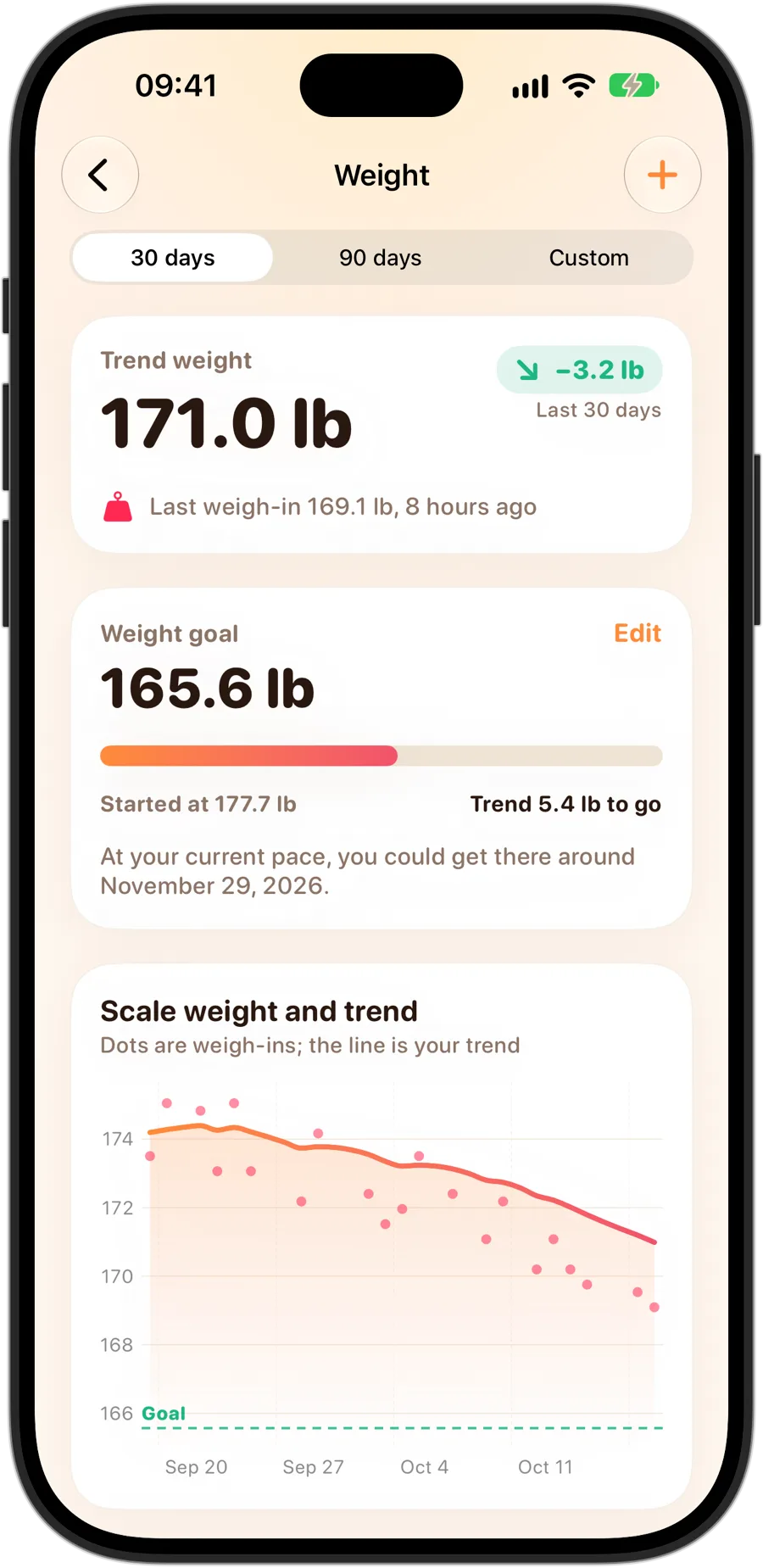
dieting.app is general information, not medical advice. If you are pregnant or breastfeeding, have diabetes, kidney disease or a history of eating disorders, or take medication, talk to your doctor before changing how you eat.