
GUIDES
Ultra-processed foods
What they are, how to spot them, what the research shows, and how to eat fewer without losing convenience
What counts as ultra-processed
Brazilian researcher Carlos Monteiro and colleagues developed the NOVA classification, now used in most research. It sorts foods not by nutrients but by how much they’re processed, and why 1.
| Group | What it is | Examples |
|---|---|---|
| 1. Unprocessed or minimally processed | Whole foods, maybe cleaned, frozen, dried or pasteurized | Fruit, vegetables, eggs, milk, plain meat and fish, rice, oats, lentils |
| 2. Culinary ingredients | Extracted from foods, used for cooking | Olive oil, butter, salt, sugar, vinegar |
| 3. Processed foods | Group 1 foods with group 2 ingredients added | Cheese, canned fish, fresh bread, salted nuts, pickles |
| 4. Ultra-processed foods | Industrial formulations, mostly from refined ingredients and additives | Soft drinks, chips, sweets, instant noodles, chicken nuggets, most packaged snacks and desserts |
How to spot them on a label
- A long ingredient list, often more than five ingredients.
- Ingredients you wouldn’t find in a kitchen: high-fructose corn syrup, hydrogenated oils, protein isolates, maltodextrin, modified starch 1.
- Additives that change taste, look or texture: flavorings, colors, emulsifiers, thickeners, sweeteners.
- Marketing that promises a lot: “high protein”, “low fat”, “with real fruit”, on something that comes in a wrapper.
What the research found
Key study
About 500 more calories a day
- Randomized inpatient trial
- 20 adults
- 2 weeks per diet
At the US National Institutes of Health, adults lived in a research center for four weeks and were offered ultra-processed meals for two weeks and unprocessed meals for two, matched for calories, sugar, fat, fiber and salt. They could eat as much as they wanted. On the ultra-processed diet they ate about 500 more calories a day, ate faster, and gained about 0.9 kg; on the unprocessed diet they lost about 0.9 kg.
Key study
Linked to 32 health problems
- Umbrella review
- 45 meta-analyses, almost 10 million people
- Observational studies
A 2024 review in the BMJ pulled together the evidence on ultra-processed food and health. Higher intakes were linked to a higher risk of 32 health problems, with the most convincing evidence for dying from cardiovascular disease, type 2 diabetes, anxiety and common mental disorders. These studies show links, not proof of cause.
Why they may lead to overeating
In the inpatient trial, the ultra-processed meals were softer and quicker to eat, and people ate them faster. Ultra-processed foods also tend to pack many calories into a small volume, with little fiber or protein to fill you up. The result is that it’s easy to eat more before feeling full 2.
How to eat fewer
Five practical steps
- Swap sugary drinks for water, sparkling water, tea or coffee.
- Keep whole-food snacks at hand: fruit, nuts, yogurt, carrots.
- Cook a few simple meals in bulk and freeze portions for busy days.
- Read ingredient lists, and choose the version with fewer, recognizable ingredients.
- Shop for produce, fish, eggs, dairy and legumes first.
| Instead of | Try |
|---|---|
| Soft drinks | Sparkling water with lemon |
| Flavored yogurt | Plain yogurt with fruit |
| Chips | Nuts or popcorn made at home |
| Breakfast bars | Oats with fruit |
| Instant noodles | Whole-wheat pasta with frozen vegetables |
| Chicken nuggets | Chicken breast with a homemade crumb |
Not all processed food is bad
Frozen vegetables, canned beans and fish, plain yogurt, whole-grain bread and tofu are processed but nutritious and convenient. Some whole-grain cereals and fortified plant milks are technically ultra-processed but can fit in a healthy diet. Aim to make most of what you eat whole or minimally processed, not to avoid every package.
Myths and facts
Myth All processed food is unhealthy.
Fact Freezing, canning, fermenting and pasteurizing are processing too. The NOVA system separates these from ultra-processing 1.
Myth If the calories are the same, ultra-processed food is no different.
Fact In the inpatient trial, meals were matched for calories, sugar, fat and fiber on the plate, yet people ate about 500 more calories a day of the ultra-processed food 2.
Questions
Are all packaged foods ultra-processed?
No. Frozen vegetables, canned beans, plain yogurt and oats come in packages but are minimally processed.
Why do ultra-processed foods make you eat more?
They’re often soft, quick to eat and energy-dense. In the inpatient trial, people ate them faster and ate more calories 2.
Do I have to cut them out completely?
No. Eating fewer helps; aiming for perfection usually doesn’t last. Start with the swaps that are easiest for you.
Sources
- Monteiro CA, Cannon G, Levy RB, et al. Ultra-processed foods: what they are and how to identify them. Public Health Nutr. 2019;22(5):936-941. doi.org/10.1017/S1368980018003762
- Hall KD, Ayuketah A, Brychta R, et al. Ultra-Processed Diets Cause Excess Calorie Intake and Weight Gain: An Inpatient Randomized Controlled Trial of Ad Libitum Food Intake. Cell Metab. 2019;30(1):67-77.e3. doi.org/10.1016/j.cmet.2019.05.008
- Lane MM, Gamage E, Du S, et al. Ultra-processed food exposure and adverse health outcomes: umbrella review of epidemiological meta-analyses. BMJ. 2024;384:e077310. doi.org/10.1136/bmj-2023-077310
MAKE IT A HABIT
Any diet.
Your eating window.
Fasting Tracker is a free intermittent fasting app for iPhone, iPad and Apple Watch.
Download Fasting Tracker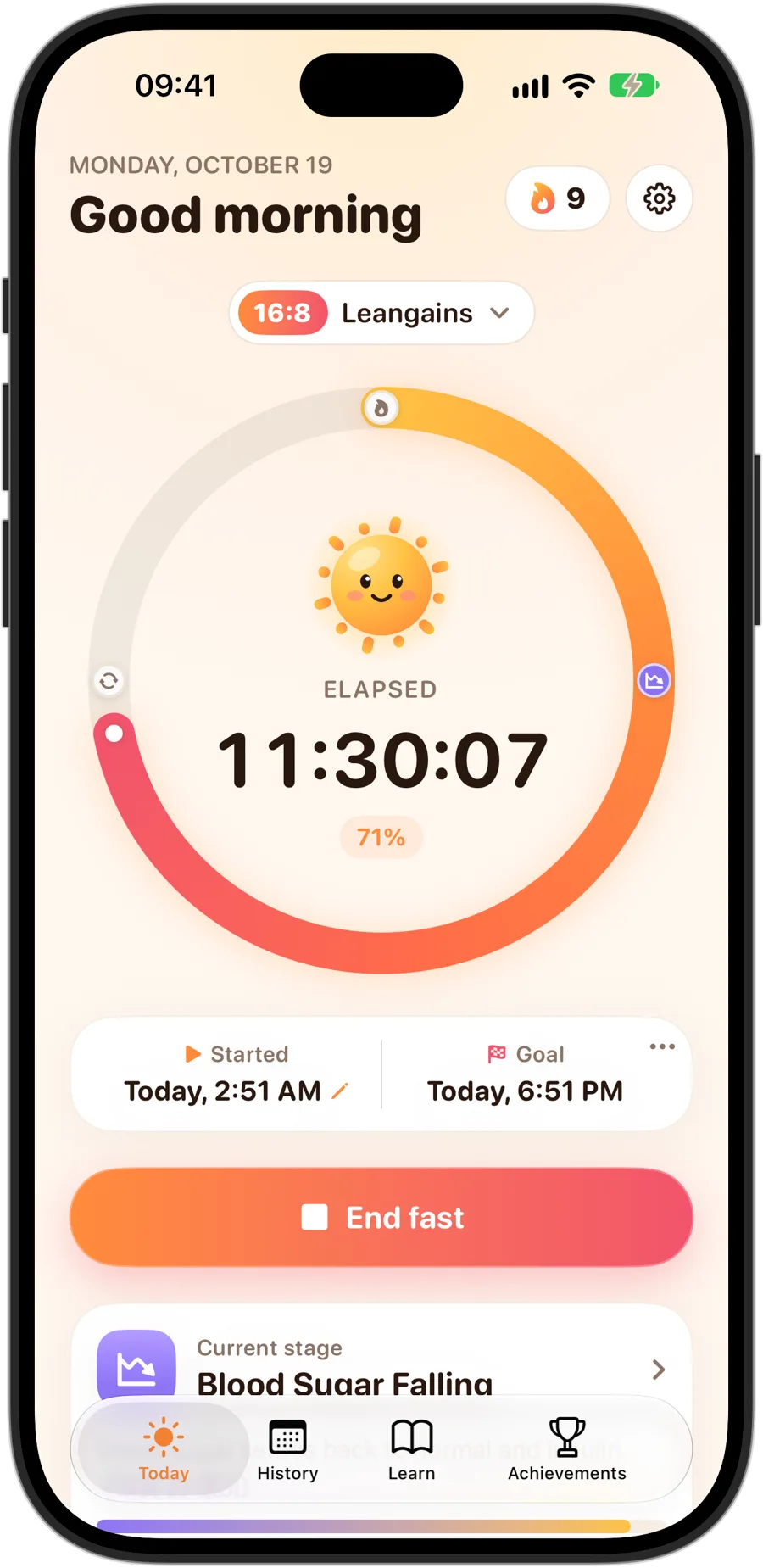
dieting.app is general information, not medical advice. If you are pregnant or breastfeeding, have diabetes, kidney disease or a history of eating disorders, or take medication, talk to your doctor before changing how you eat.